November 25, 2026
Carpet Cleaning Fort Collins, CO for Business and Residential Spaces
By @knoxjmdz441
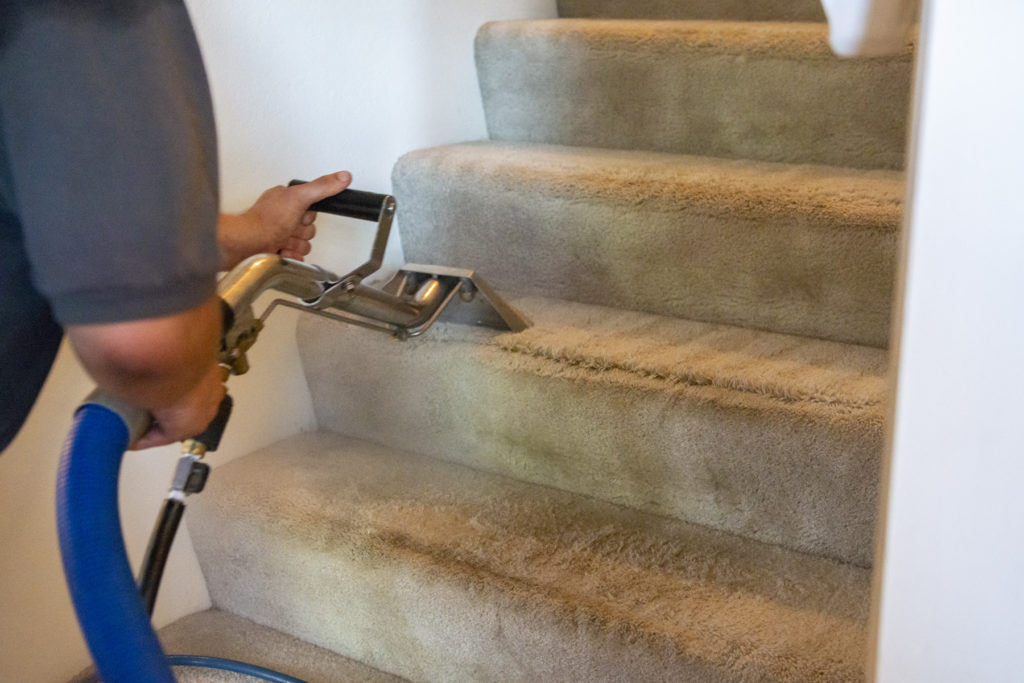
Carpet changes the feel of a room faster than almost any other finish. When it is clean, it softens sound, warms up a space, and makes everything look better maintained. When it is not, people notice right away. Dust hangs in the fibers, traffic lanes darken, pet odors settle in, and the whole room starts to feel tired even if the walls and furniture are in good shape.
That is why Carpet Cleaning Fort Collins, CO is not a cosmetic service in the way some people assume. In homes, it affects comfort, indoor air quality, and the life of the flooring itself. In commercial spaces, it shapes first impressions and day to day usability. A clean carpet in a dental office, retail shop, church, apartment building, or family room does more than look better. It performs better.
Fort Collins presents its own set of challenges. The climate is dry for much of the year, wind carries fine dust, and the freeze thaw cycle can drag in moisture, deicing residue, and mud during colder months. Add in students, pets, active households, office foot traffic, and construction in growing neighborhoods, and carpets take a beating. Anyone who has managed flooring here for a few seasons knows there is a real difference between a carpet that gets timely care and one that is left to fend for itself.
What carpet actually holds onto
Most people think of stains first, but visible spots are only part of the story. Carpets trap dry soil, skin cells, pollen, pet dander, food particles, oils from shoes, and fine grit that works down into the pile. In a business setting, entryways often collect sand and abrasive debris that cut at the fibers every time someone walks over them. In homes, bedrooms may seem cleaner because they do not show obvious grime, yet they can still hold a surprising amount of dust.
The thing that catches many property owners off guard is how much of carpet wear comes from dry particulate soil rather than dramatic spills. Grit acts like sandpaper. Every step grinds it deeper. Over time, the carpet loses texture and color, especially in hallways, stairs, and near doorways. Once that wear happens, cleaning can improve appearance but it cannot reverse fiber damage.
That is one reason regular professional cleaning matters. It removes embedded material before permanent wear sets in. It also addresses oils and residues that standard vacuuming cannot lift. A vacuum is essential, but it has limits. It handles surface debris well. It does not fully solve the compressed buildup that develops over months of use.
Why Fort Collins properties need a local approach
Carpet cleaning is not the same in every market. Fort Collins homes and businesses often deal with a mix of Front Range dust, seasonal allergens, and weather related messes. Spring can bring mud and pollen. Summer means more open windows, more dry dust, and more foot traffic from outdoor activity. Fall often brings leaf debris and dirt tracked in from landscaping. Winter introduces snowmelt, road salts, and moisture that can migrate into backing if it is not handled correctly.
A cleaner working in this area needs to recognize those patterns. A downtown office with constant in and out traffic does not need the same strategy as a west side home with two dogs and a finished basement. A student rental near campus, where move ins and move outs happen on a tight schedule, is different from a custom home in a quieter neighborhood where preservation of premium carpet is the top priority.
Experience shows that one size fits all service plans rarely work well. Some carpets respond best to hot water extraction at regular intervals. Others benefit from interim low moisture cleaning between deeper cleanings, especially in commercial settings where downtime has real costs. The best results come from matching the method to the fiber, the level of soiling, and how quickly the space needs to be back in use.
Residential carpet cleaning is about more than appearance
In homes, carpet cleaning often gets pushed aside until there is a stain that cannot be ignored. Red wine, pet accidents, a muddy path from the garage, spilled coffee near a sofa. Those are obvious triggers. Yet the deeper value comes from maintenance before the crisis.
Families with children usually notice how quickly play areas collect soil. Kneeling at floor level tells the truth in a way standing up does not. The carpet may look acceptable from across the room, but the fibers can feel tacky, flattened, or gritty when touched. In bedrooms, especially those with windows open during mild weather, dust settles gradually and is easy to underestimate. If anyone in the home has allergies, a cleaner carpet can make the room feel noticeably fresher.
Pet households present their own issues. Fur and dander are only part of it. Oils from pet coats transfer into fibers. Accidents can soak below the face yarn into padding, where odor lingers long after the visible spot is gone. Quick store bought spot treatment may lighten the stain but often leaves residue behind, which attracts more soil and makes the area darken again. Proper treatment has to address the source, not only the surface.
There is also the matter of replacement cost. Good carpet is expensive, and installation is not getting cheaper. Extending the useful life of flooring by even a few years can save a homeowner thousands of dollars. That is a practical reason to stay ahead of cleaning, especially in high use rooms such as family rooms, hallways, stairs, and home offices.
Commercial carpet cleaning has a different rhythm
Businesses rarely have the luxury of waiting until a carpet looks bad. By then, customers and staff have already seen the decline for weeks or months. The challenge is keeping floors presentable while minimizing disruption. That usually means thinking in terms of maintenance cycles rather than occasional rescue cleanings.
Office buildings tend to develop visible traffic lanes first. Retail spaces often show spotting near checkout areas and entry mats. Medical and professional offices need carpets to look sanitary and well managed at all times, even when foot traffic is heavy. Apartment common areas are their own category altogether. Hallways, leasing offices, and clubhouse spaces can go from clean to worn looking very fast if they are not serviced on a schedule.
For commercial settings, appearance is only one concern. Dry times matter because a business cannot afford slippery walkways or unusable meeting areas during operating hours. Odor control matters because scent affects perception immediately. Noise matters too. In some buildings, work has to be done early in the morning, after hours, or in sections so the space stays functional.
A thoughtful commercial carpet program often combines routine vacuuming by staff, prompt spot response, and periodic professional extraction or encapsulation based on conditions. When those pieces line up, carpet holds up much better and cleaning costs become more predictable.
Not every carpet needs the same cleaning method
Homeowners and facility managers sometimes ask for a specific process by name because they have heard it is the best. In practice, the best method depends on context. Hot water extraction is widely trusted because it rinses out deeply embedded soil effectively. It is often the right answer for residential carpets that have accumulated oils, pet residue, and heavy soil. When done properly, it can restore a carpet dramatically.
Low moisture methods can be a smart choice in commercial spaces that need faster dry times. They can also work well as interim maintenance in areas that are cleaned frequently. The trade off is that they may not provide the same deep flushing effect as a thorough extraction when significant soil has built up.
Bonnet cleaning has a place in some commercial maintenance situations, though it is not always ideal for heavily soiled residential carpet. Encapsulation can be useful for preserving appearance between deeper services. The key is judgment. A cleaner should be able to explain why a given method fits the carpet in front of them, not just why it is their default process.
Fiber type matters too. Synthetic carpets can handle different chemistry and moisture levels than wool. Berber styles show traffic patterns differently than Carpet Cleaning Fort Collins, CO plush residential carpet. Older carpet with weakened backing may require a gentler approach. Area rugs, especially hand woven or natural fiber pieces, are a separate conversation entirely.
The spots people worry about most
Some stains respond quickly. Others become long term projects because the problem is not the visible color but what has bonded to the fiber or seeped underneath. Coffee, tea, wine, grease, cosmetics, pet accidents, ink, and tracked in clay all behave differently. The mistake many people make is using too much product and too much scrubbing. That often drives the stain wider, distorts the pile, or leaves a sticky patch that soils faster than the surrounding carpet.
One of the most stubborn examples is recurring pet odor. A room may smell acceptable right after a surface cleaning, then worse again on a humid afternoon. That usually means contamination remains below the surface. Effective treatment may involve specialized deodorizers, sub surface extraction, or in severe cases targeted pad replacement. It is not glamorous work, but it is honest work, and it solves a problem that frustrates homeowners for months when handled halfway.
Commercial spills bring their own headaches. A sugary drink in an office breakroom hallway can turn into a dark traffic spot within days if it is not rinsed thoroughly. Entry areas in winter often develop gray or white residue from tracked in moisture and deicing compounds. Those spots are rarely solved by spot treatment alone. They need broader cleaning to remove the film throughout the area.
When it is time to schedule service
There is no universal timeline because use patterns vary so much, but a few signs show up again and again when carpets are overdue for professional attention:
- Traffic lanes stay dark even after thorough vacuuming.
- Rooms hold a stale or musty odor with no obvious source.
- The carpet feels matted, sticky, or rough underfoot.
- Spots disappear when damp, then return as the carpet dries.
- Allergy complaints seem worse when the HVAC is running.
For many Fort Collins homes, professional cleaning every 6 to 12 months is a reasonable range. Busy households with kids, pets, or frequent guests may need service more often. Commercial spaces often benefit from a quarterly, monthly, or custom plan depending on use. The right interval is the one that preserves appearance and condition without overcleaning.
What good preparation looks like
A little preparation helps the appointment go smoothly and improves the result. It does not have to be complicated. Before a crew arrives, it helps to take care of a few basics:
- Vacuum high traffic areas if possible, especially if there is loose pet hair.
- Pick up small items, toys, cords, and breakables from the floor.
- Note any problem spots, odors, or past spill history so they can be treated properly.
- Plan for airflow after cleaning, whether that means ceiling fans, HVAC, or cracked windows when weather allows.
- Keep pets and children clear of work areas until the carpet is safe to use.
That kind of prep saves time and allows the technician to focus on the cleaning itself. It also reduces the chance that a hidden stain source or furniture issue gets overlooked.
Dry times, disruption, and what to expect afterward
One of the first questions customers ask is how long the carpet will take to dry. The honest answer is that it varies. Method, humidity, airflow, soil load, and carpet thickness all matter. In the dry climate around Fort Collins, carpets often dry faster than they would in a humid region, but winter and basement conditions can slow the process. A light low moisture commercial cleaning may be ready quickly, while deep residential extraction can take several hours.
Good airflow matters more than many people realize. Even a quality cleaning can feel disappointing if the carpet stays damp too long because ventilation was poor. That is why experienced cleaners pay attention to air movers, HVAC settings, and practical advice for the customer after the job is done.
There is also a visual point worth mentioning. Right after cleaning, some traffic patterns may remain faintly visible if they reflect actual wear rather than soil. This does not mean the cleaning failed. It means the carpet fibers have been permanently abraded or crushed over time. A reputable provider should explain that difference honestly. Customers usually appreciate realism more than inflated promises.
Choosing a provider without getting sold on hype
The carpet cleaning industry has plenty of good operators, and it also has its share of bait pricing and vague claims. In a market like Fort Collins, where both residential and commercial demand can be strong, it pays to ask practical questions.
How is pricing structured, by room, by square foot, or by condition? Are spot treatments included or billed separately? What method is recommended and why? Is pre treatment part of the process? How are pet odor issues handled if contamination has reached the pad? What dry time range should be expected in this season and in this type of property? Those questions reveal a lot.
It is also helpful to notice how a company talks about limitations. Anyone can promise miracles over the phone. Skilled professionals know when to say a stain is likely permanent, when a carpet is nearing the end of its life, or when replacement may make more sense than repeated restoration attempts. That kind of judgment is usually a sign you are dealing with someone experienced.
For businesses, consistency matters as much as technical skill. Can the company work around operating hours? Can they maintain records for recurring service? Will they communicate clearly with property managers, office staff, or tenants? Commercial carpet maintenance often succeeds or fails on logistics.
The long view on carpet care
Clean carpet supports the overall standard of a property. In a home, it makes rooms more comfortable to live in and easier to maintain. In a business, it shapes customer perception before a word is spoken. In either case, it protects an investment that sees daily wear and quietly absorbs more abuse than most other surfaces.
Carpet Cleaning Fort Collins, CO is most effective when it is treated as part of regular property care, not as an emergency measure after the carpet already looks worn out. With the local mix of dust, weather, foot traffic, and seasonal mess, that mindset makes a visible difference. Carpets stay brighter, odors stay under control, and replacement can be pushed further into the future.
The best results come from timing, method, and honest assessment. Clean before grit becomes damage. Match the process to the space. Deal with odors and spills at the source. And choose a provider who understands the difference between restoring appearance for a week and maintaining performance for years. That is the real value behind professional carpet care, whether the setting is a family living room, a campus rental, a busy office suite, or a storefront that needs to look ready every morning.
TLC Carpet & Air Duct Cleaning
921 E Prospect Rd, Suite C
Fort Collins, CO 80525
(970) 352-8176
FAQ About Carpet Cleaning Fort Collins, CO
What is the best time of year to clean carpets in Fort Collins, CO?
Choose a day when you can give the carpet time to dry and keep foot traffic low. Ventilation and indoor humidity can matter more than the season.
How long will my carpet take to dry after cleaning?
Drying time varies with the carpet, cleaning method, humidity, and airflow. Ask the technician for an estimate and when to move furniture back.
How do I prepare my home for carpet cleaning?
Pick up small items, clear a path for equipment, and point out stains or delicate fibers. Ask the cleaner which furniture they can move and what needs to be moved before the visit.
❧