November 25, 2026
A Practical Guide to Carpet Cleaning in Fort Collins, CO
By @knoxjmdz441
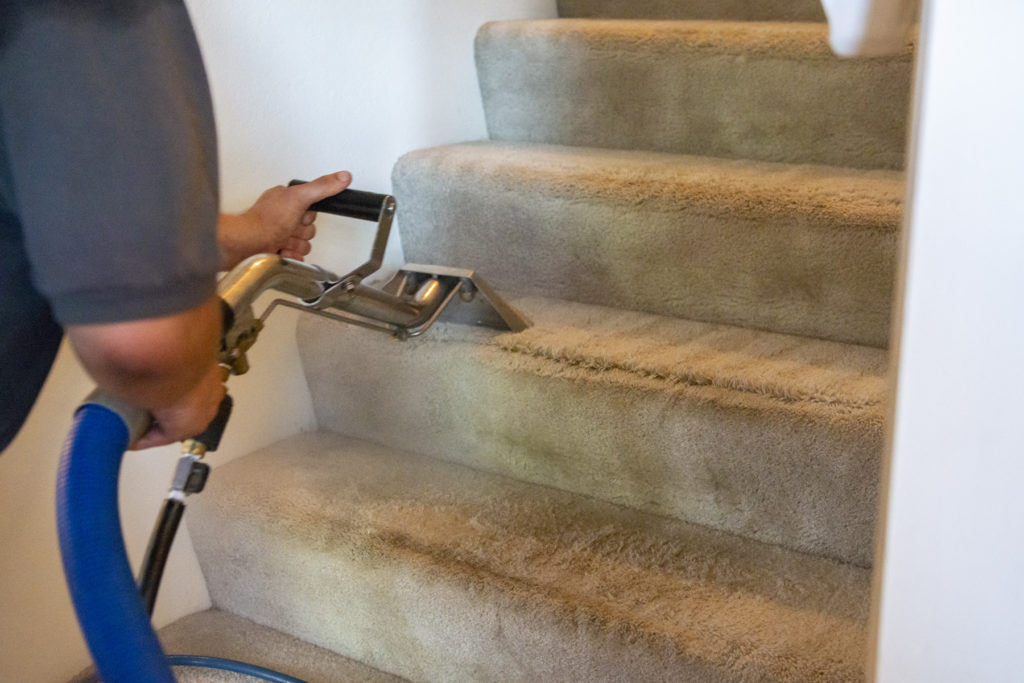


Carpet has a way of collecting the story of a home. In Fort Collins, that story usually includes a little red dust from dry summer days, tracked-in snowmelt in winter, spring mud from the backyard, and the occasional reminder that the dog came in faster than anyone could reach the towel by the door. If you live here long enough, you start to notice that carpet in Northern Colorado ages differently than carpet in wetter climates. It may not always look soaked or visibly grimy, but it holds fine soil, pollen, pet dander, and residue that slowly dull the fibers.
That is why carpet cleaning in Fort Collins, CO is less about making a room smell fresh for a day and more about preserving the floor you already paid for. A good cleaning routine keeps carpet looking better, reduces wear, and helps the whole house feel cleaner. It also saves money. Replacing carpet is expensive, especially once you factor in pad, labor, furniture moving, and the headache of clearing rooms. Routine cleaning is cheaper than early replacement by a wide margin.
There is also a practical side that homeowners and renters both run into. Many property managers expect documented professional cleaning at move-out. Families with children and pets often need more frequent spot treatment than they expect. And for people with allergies, carpet can quietly become a reservoir for the exact particles that make life uncomfortable.
The good news is that carpet care is not mysterious. Most problems come down to timing, method, and knowing when a stain is a simple household issue and when it needs professional equipment.
Why Fort Collins carpets get dirty faster than people think
Fort Collins has a climate that tricks people into underestimating soil buildup. Because the air is often dry, carpets can feel dry too, even when they are loaded with fine particulate matter. Dust from open windows, trail shoes, construction, and wind settles into fibers and works its way below the surface. A carpet can look fairly decent from standing height while still carrying pounds of embedded soil.
Then there is winter. Snow itself is not the whole problem. The bigger issue is what comes with it. Moisture from boots mixes with sand, grit, de-icing residue, and oils from asphalt parking lots. That slurry gets ground into entryways and hallways. By late February, many homes have a visible traffic lane from the front door to the kitchen or mudroom.
Spring is its own test. Melting snow and early rain create a muddy season that tends to be brief but intense. People spend more time outside, dogs run in and out, and children tend to forget that wiping feet is not optional. Summer brings more dry soil and pollen. Late summer and fall can add smoke particles if there are regional wildfire events. Even if smoke never enters as a dramatic event, it can still leave a stale, dusty load on soft surfaces over time.
All of that means the ideal carpet cleaning schedule in Fort Collins often differs from the generic advice you see on a bottle of spot remover or the side of a rental machine.
How often carpet should really be cleaned
The broad industry recommendation of professional carpet cleaning every 12 to 18 months is a reasonable starting point, but it is only a starting point. In practice, the right interval depends on how the home is used.
A retired couple in a low-traffic ranch home with no pets may be fine stretching to 18 months, especially if they vacuum thoroughly and keep shoes off indoors. A busy family near a park or trail system may need cleaning every 6 to 12 months. Homes with multiple pets usually benefit from at least annual professional service, and high-use zones may need interim spot work much sooner.
You can often tell that a carpet is due before it looks terrible. The fibers stop standing up in traffic areas. The room smells a little stale right after the windows are closed. Socks come away with a faint gray cast after children play on the floor. The carpet may also seem to resoil quickly after vacuuming, which is often a sign that soil and residue are buried deeper than household equipment can reach.
A simple rule works well in real life: clean based on use, not on the calendar alone.
The difference between vacuuming, spot cleaning, and deep cleaning
Many carpet frustrations come from expecting one type of cleaning to Carpet Cleaning Fort Collins, CO do another type’s job. Vacuuming removes dry, loose soil from the upper layer and, with a good machine, some debris from deeper in the pile. Spot cleaning targets fresh spills and isolated marks. Deep cleaning, whether done by a professional or with a capable extractor, addresses what has settled into the fibers and backing over time.
If vacuuming is neglected, deep cleaning becomes less effective because mud and residue form around dry particulates. If spills are ignored, they can oxidize, wick back, or permanently alter dye. If deep cleaning is skipped for too long, traffic lanes begin to wear unevenly, and some discoloration that looks like staining is actually abrasion. Once fibers are physically damaged, no cleaning method restores them fully.
This distinction matters because homeowners sometimes rent a machine, make several wet passes over heavily soiled carpet, and assume the carpet is now truly clean. Often it is cleaner than before, but not always deeply rinsed. In some cases, over-wetting and slow drying create a new set of problems, especially on thick carpet or in rooms with limited airflow.
When DIY makes sense, and when it does not
There is nothing wrong with doing some carpet care yourself. In fact, regular homeowner maintenance makes professional cleaning more effective and helps it last longer. A prompt response to spills can prevent permanent spots. Good vacuuming habits noticeably reduce wear. Even rental machines have their place if you tlccarpetcleaningnortherncolorado.com Carpet Cleaning Fort Collins, CO are handling a temporary issue in a small area.
The challenge is that DIY methods have clear limits. Grocery-store spot removers can leave behind detergent residue. Rental extractors usually have less suction than truck-mounted or high-grade portable professional units. Household carpet shampooers may clean the surface but struggle to fully remove what they put into the carpet. That can leave fibers feeling stiff or attract new soil faster.
The biggest DIY mistakes are usually simple. People scrub too aggressively, which distorts carpet texture. They soak a stain, which drives it deeper or wets the pad underneath. They use hot water on protein-based stains that should be treated differently. They combine products, hoping one will cancel out the other, and end up setting the spot or bleaching color.
For small fresh spills, a careful homeowner can often do a very good job. For odor, recurring pet accidents, broad traffic lanes, move-out cleaning, or whole-home refreshes, professional service usually makes more sense.
The stains that cause the most trouble
Fort Collins homes tend to see a familiar set of stain problems. Red drinks and coffee are always on the list. Pet urine remains one of the most stubborn because the issue is not just the visible spot. It can penetrate into the pad and subfloor, especially if it has happened more than once in the same area. Melted snow mixed with dirt often creates dark door-side staining that looks mild at first but builds over a season. Greasy residues from cooking can also migrate farther than people expect, especially in open layouts where family room carpet borders the kitchen.
Then there are the stains people do not immediately identify as stains. A black line along baseboards may be filtration soiling, where air movement deposits oily dust at carpet edges. It often needs specialized treatment and patient agitation. Rust from metal furniture feet can be surprisingly difficult. Candle wax, craft slime, makeup, and plant soil all require different handling, which is why the one-bottle-fixes-all approach rarely works.
One of the most useful habits is dealing with spills while they are still fresh. Time is a stain’s ally. A drink spilled at 7 p.m. Is one kind of problem. The same spill discovered the next afternoon is another.
What to look for in a carpet cleaning method
Not all carpet cleaning methods are equal, and not every method fits every situation. Hot water extraction, often called steam cleaning even though steam is not always the technical mechanism, remains the preferred deep-cleaning method for many carpet manufacturers. Done well, it flushes soil out of the carpet and extracts much of the moisture along with it. It is effective, versatile, and widely used.
Low-moisture methods also have value. Encapsulation cleaning, for example, can work well for commercial settings or interim maintenance where fast dry times matter. Bonnet cleaning can improve appearance quickly, though it is often more of a surface method than a restorative deep clean. Dry compound systems can be useful in some specialty situations.
For most residential homes in Fort Collins, especially those with pets, children, or visible traffic lanes, hot water extraction tends to offer the strongest balance of soil removal and rinse capability. The key phrase is “done well.” Poorly executed extraction can leave carpet too wet or too soapy. Good technicians adjust chemistry, water volume, agitation, and drying strategy based on the carpet type and condition.
That judgment matters more than the marketing label on the van.
A practical prep checklist before the cleaners arrive
A little preparation helps the appointment go smoother and can improve results.
- Vacuum thoroughly, especially in traffic areas and along edges.
- Pick up toys, clothing, floor lamps, and small furniture.
- Mark any problem spots or odors you want the technician to inspect closely.
- Secure pets and plan for children to stay clear of damp rooms.
- Ask in advance about dry times, furniture blocks, and whether protectant is appropriate.
That last point is worth a brief pause. Protectants can be useful in some homes, particularly in high-traffic family rooms or on newer carpet you want to preserve. They are not magic shields, and they wear off. Still, in the right setting, they can buy you time when spills happen and reduce rapid resoiling.
Choosing a carpet cleaning company in Fort Collins
When people shop for carpet cleaning in Fort Collins, CO, the first instinct is often to compare prices. That is understandable, but a low advertised rate can hide a lot. Room-count specials may exclude stairs, hallways, spot treatment, pet work, protector, or even standard-sized rooms. By the time the invoice is complete, the cheapest ad may not be the best value.
A better approach is to ask practical questions. What cleaning method do they use? How long should the carpet take to dry in a home like yours? Are technicians trained to identify fiber types and problem stains? Do they move furniture, and if so, what kind? How do they handle pet odor treatment? Can they explain the difference between cleaning a stain and treating an odor source? A good company answers these without sounding defensive or vague.
Local experience matters too. A cleaner who works in Fort Collins regularly understands the pattern of seasonal soil here. They have seen spring mud packed into Berber loops, winter traffic lanes near garage entries, and pet issues made worse by dry air and closed-up houses. They also tend to be more realistic about dry times in different seasons. A carpet cleaned on a crisp, dry fall day with windows cracked may dry much faster than the same carpet cleaned during a stormy stretch.
It is also smart to pay attention to how a company inspects the carpet before they start. Professionals who ask questions and walk the job carefully tend to produce better results than those who begin spraying product the moment they enter the house.
Pet issues deserve special handling
Pet-related carpet concerns deserve their own section because they are often misunderstood. Many people focus on the visible stain and the immediate smell, but the real question is how deep the contamination goes. A single new accident on the surface may be manageable with targeted treatment. Repeated accidents in the same area can soak into the pad and even affect the subfloor. At that point, cleaning the face fiber alone may improve appearance but not solve the odor.
This is where unrealistic expectations cause frustration. If urine has penetrated deeply, a cleaner may recommend subsurface extraction, enzyme treatment, pad replacement in a localized area, or, in severe cases, lifting the carpet for more invasive work. That may sound like overkill until you have lived with a recurring odor every humid day or every time the furnace kicks on.
Cats can be especially difficult because urine is concentrated and persistent. Dogs create volume problems, especially on stairs and near doors. In both cases, speed matters. The longer it sits, the more likely it is to bond with materials below the carpet surface.
A professional should explain the likely outcome honestly. Sometimes the result is complete removal. Sometimes it is major improvement but not perfection. That kind of candor is a good sign.
Dry times, airflow, and avoiding common after-cleaning mistakes
One of the most common complaints after carpet cleaning is that the carpet stayed damp too long. In many cases, the issue is not the cleaning alone but what happened afterward. Homes are often closed up, fans are not used, and furniture is placed back too quickly.
Under normal conditions, professionally cleaned carpet often dries in roughly 6 to 12 hours, though that can vary with humidity, air movement, carpet density, and how heavily the carpet was cleaned. Some areas dry sooner. Thick plush carpet or heavily soiled zones may take longer. In a dry Fort Collins climate, airflow can do a lot of work if you help it along with ceiling fans, box fans, or HVAC circulation.
Walking on damp carpet with clean indoor shoes is usually fine if the cleaner says so, but replacing heavy furniture before the carpet is ready can trap moisture and cause dents or transfer from furniture legs. It also increases the chance of wicking, where a spot seems gone when wet but reappears as the carpet dries because residue rises from deeper layers.
This is one reason honest dry-time estimates matter. Promising a two-hour dry time on every job may sound attractive in an ad, but it is not realistic for every home.
Signs your carpet needs more than a quick touch-up
Some carpets can be refreshed with routine maintenance. Others are asking for a full deep clean or a more serious intervention.
- Traffic lanes remain dark after thorough vacuuming.
- Spots disappear when wet and return after drying.
- The carpet smells musty, sour, or stale even after airing out the house.
- Fibers feel sticky, crunchy, or unusually rough.
- Allergy symptoms seem worse when the house is closed up.
That last point can be subtle. Carpet is not automatically bad for allergies, but neglected carpet can hold enough dust and dander to become part of the problem. Clean carpet, maintained properly, is a different story than overloaded carpet that has gone too long between deep cleanings.
Special situations in rentals, student housing, and family homes
Fort Collins has a mix of long-term homeowners, rental properties, and student housing, and each comes with different carpet realities. Rental carpets often suffer from deferred maintenance. By the time a tenant moves in, the carpet may already have embedded wear or old spotting. A move-out cleaning can improve appearance, but it may not reverse years of accumulated traffic. For tenants, documentation matters. Keep receipts and photos, especially if a lease requires professional cleaning.
Student housing often faces a specific mix of spills, neglected vacuuming, and heavy furniture wear. The challenge is not just cleaning but timing. Last-minute move-out appointments can be hard to schedule, and heavily used rooms may need stain treatment beyond a basic package.
Family homes usually deal with layered messes rather than dramatic single events. Juice in the playroom. Dog odor in one corner of the family room. Dirty edges on the stairs. A little grease tracked from the garage. These are the homes where routine, sensible maintenance pays off the most because no single problem looks catastrophic, yet together they age the carpet quickly.
How to make professional cleaning last longer
The best carpet cleaning is the one you do not have to repeat too soon. Longevity comes from habits more than from any single product. Vacuuming slowly and regularly matters more than people think, particularly at entryways and where people pivot, like in front of sofas and kitchen thresholds. Shoes-off policies make a visible difference. Entry mats help if they are large enough for several steps, not just decorative. Prompt spot treatment keeps accidents from turning into set-in stains.
Rearranging furniture occasionally can also help. It changes traffic patterns and gives compressed areas a chance to recover. If one route from the garage to the pantry gets all the foot traffic, that path will tell on you over time.
For households with pets, keeping paws clean and nails trimmed helps more than people realize. Clean paws reduce soil transfer. Trimmed nails reduce snagging, especially on looped carpets.
The goal is not perfection. It is managing wear before it becomes irreversible.
The real value of doing it right
Carpet cleaning is easy to treat as a cosmetic service, but in practice it sits somewhere between maintenance and restoration. A well-cleaned carpet feels better underfoot, smells better, and gives the whole room a cleaner baseline. It also protects one of the larger finish investments in the home.
In a place like Fort Collins, where homes cycle through dust, snow, mud, pollen, and active outdoor living, carpet takes more abuse than many people notice day to day. That does not mean you need constant service or expensive add-ons every time. It means you need a sensible plan. Vacuum well. Treat spills quickly. Use professional cleaning at the right interval for your household, not somebody else’s. Ask direct questions. Expect honest answers.
If you take that approach, carpet cleaning in Fort Collins, CO becomes less of a reactive chore and more of a straightforward part of caring for the home. That is usually when carpet lasts longer, looks better, and causes fewer headaches than people expect.
TLC Carpet & Air Duct Cleaning
921 E Prospect Rd, Suite C
Fort Collins, CO 80525
(970) 352-8176
FAQ About Carpet Cleaning Fort Collins, CO
What is the best time of year to clean carpets in Fort Collins, CO?
Choose a day when you can give the carpet time to dry and keep foot traffic low. Ventilation and indoor humidity can matter more than the season.
How long will my carpet take to dry after cleaning?
Drying time varies with the carpet, cleaning method, humidity, and airflow. Ask the technician for an estimate and when to move furniture back.
How do I prepare my home for carpet cleaning?
Pick up small items, clear a path for equipment, and point out stains or delicate fibers. Ask the cleaner which furniture they can move and what needs to be moved before the visit.
❧